
worldkiller

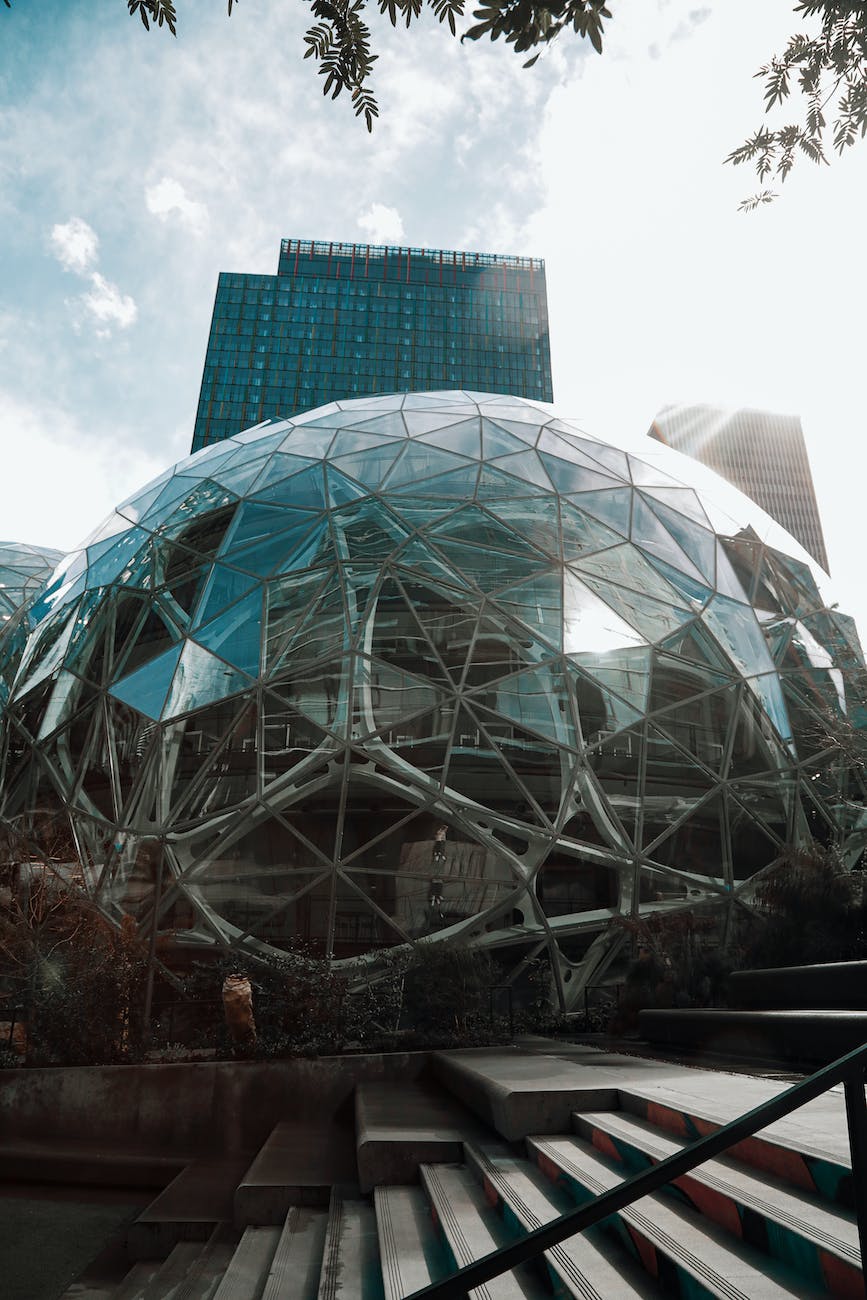
amazon spheres beside a high rise building
Photo by Hussein Haidar Salman on Pexels.com

Last month I attended a one-day conference hosted at Amazon’s conference center in the South Lake Union area of Seattle. There’s a tech industry psychic hum in the streets there, just like the entertainment industry hum that runs through anonymous looking three-story office parks in northern LA or the legal hum that saturates certain blocks in downtown Portland. The office workers getting their morning coffee look focused and unencumbered by family or community commitments. They are men and women, and stylish. The pinup shirt wearing, punk rock programmer dude and the carebear gothic tenderqueer have both been disciplined by three tech recessions since the year 2000. The clothes are less formal and structured than the norm for, say, finance, but there is a look and bright colors are a risk. 

Right across the street from the Amazon campus, a forest of huge rainbow glass-walled skyscrapers that hold the back office of the everything store, there is a humble red building. It’s a sex toy boutique with an old-school porn screening room. I find this delightful. 
sky bird industry technology
Photo by Jakub Pabis on Pexels.com

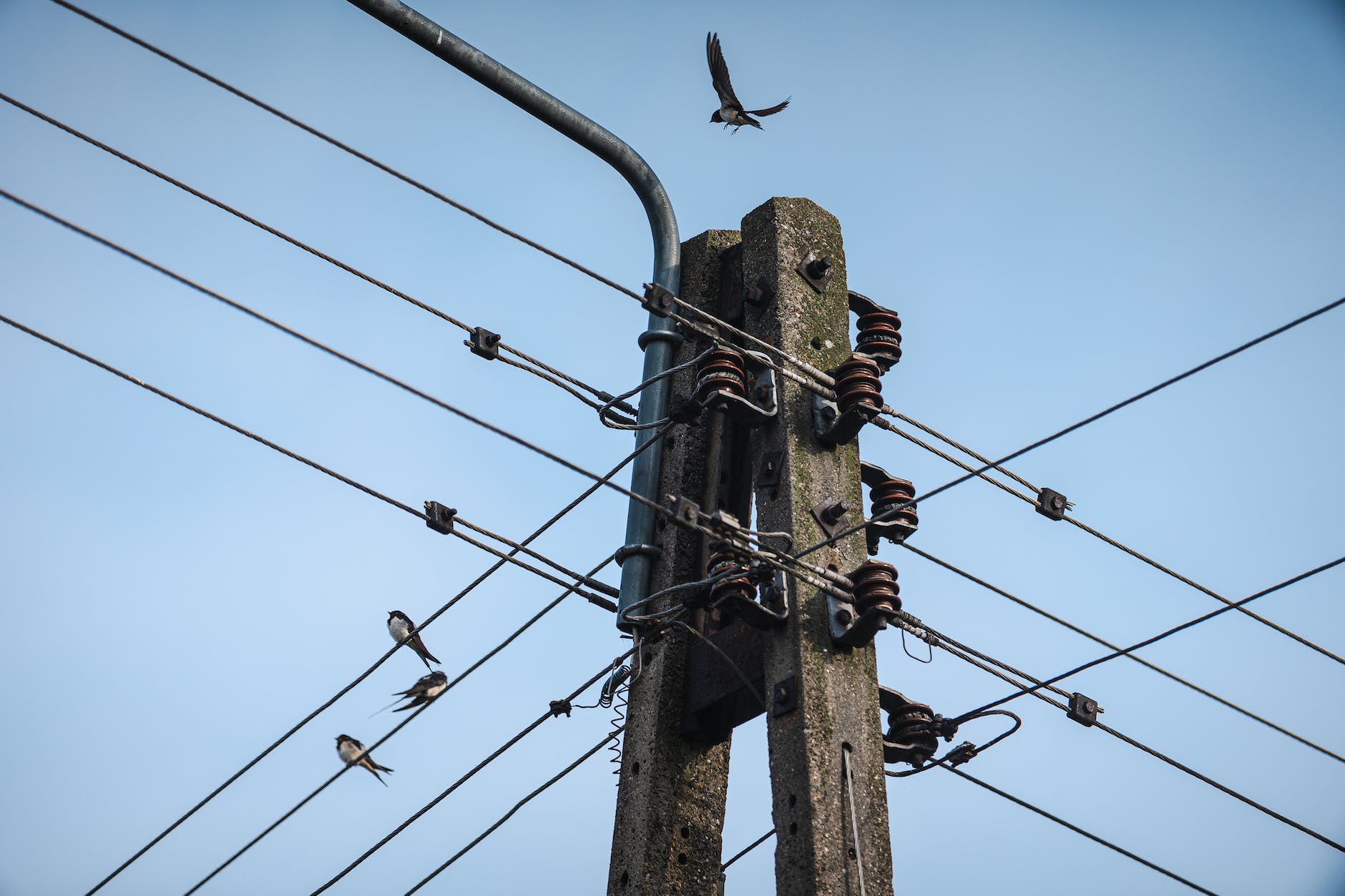
When a platform goes away, especially when it has just left, it is hard to preserve memory of what it looked like when it was healthy. Especially things that you might not think of as platforms. Take phone calls. When the platform was built (not with lines of code but with redwood and creosote and copper) it was too expensive to use as a social network. Later, with home phone service and party lines, it got closer, but it wasn’t private enough. Once digital switching and billing and private home service came into being, there was a glorious period in which phone calls were welcome. Infrastructure to support the network sprang up, like answering services and phone booths and cordless phones. Friendships and relationships were built, distances shrunk. 

That golden age was long gone by the time I was a kid. The phone system was becoming overwhelmed by telemarketing. Small breakdowns in the system were everywhere. For example, when everyone screens their calls using an answering machine, getting someone on the phone could take a full minute, much slower than in the era where each call was too expensive to waste on a cold call. Phone booths were always vandalized and often didn’t work. By the time that cell phones came around and changed the paradigm again, the stereotype of the Millennial that hates talking on the phone was well ingrained. 

That same arc plays out over and over, for as long as humans have or will exist. Letters through the postal service, the bulletin board at the laundromat, philosophers at the agora. There are situations where these media survive long past when the rest of the world has moved on from them. Letters and phone calls still maintain relationships in prison. Astronauts swap movies on thumb drives on the International Space Station. 

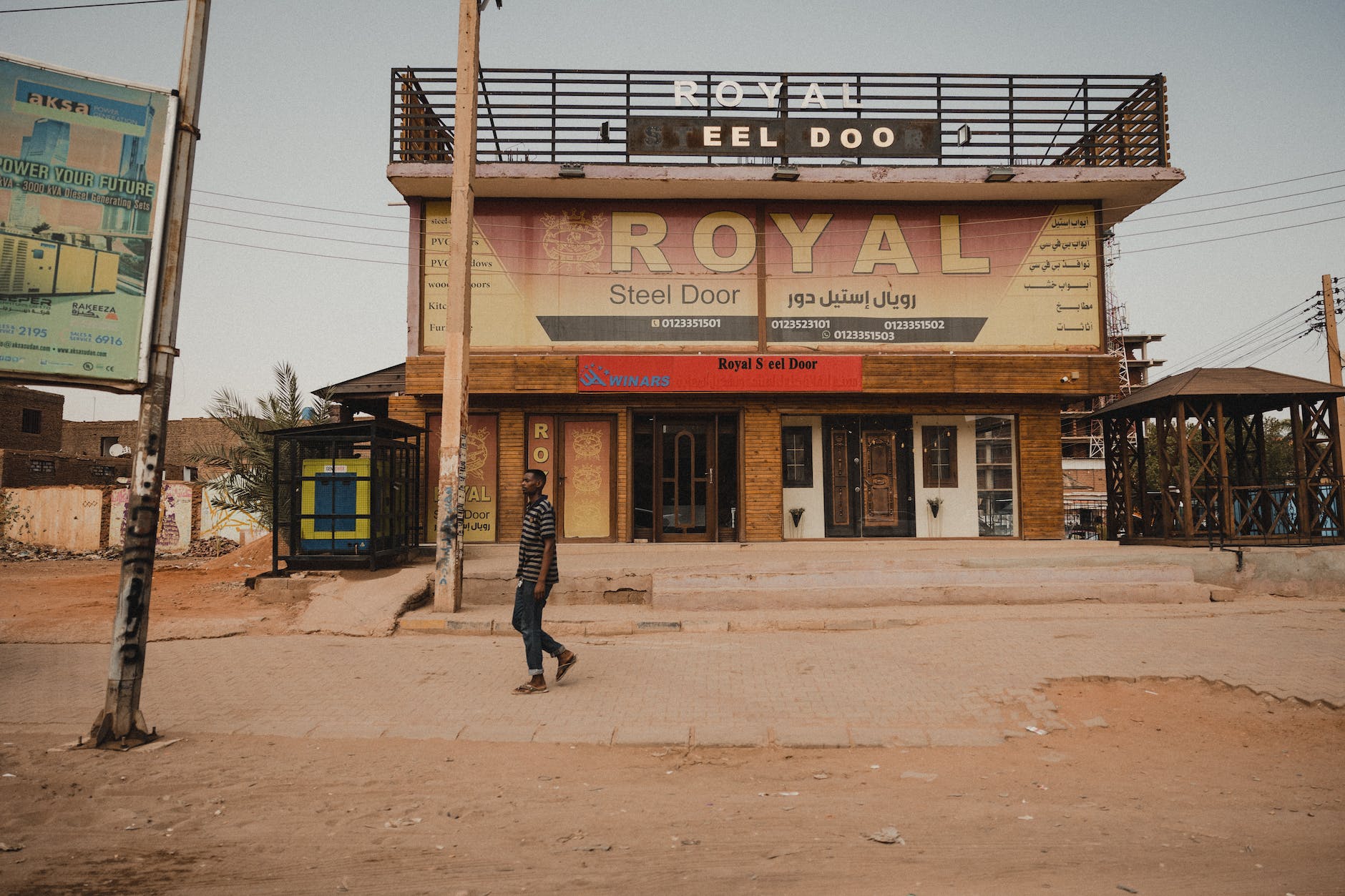
The porn store represents a node on a very particular kind of retail platform. That platform is rapidly disappearing, in no small part due to the work of Amazon. On that platform, you exchanged cash for a physical good. The store knew nothing about you, or where your money came from. You didn’t know anything about where the good came from. Somewhere out there, you could buy almost anything. 

That platform didn’t exist everywhere. In cities where the power of the city government was finite and the size was big enough that there was some undesirable area where a sleazy, taboo business could exist without neighbors complaining, there could be remarkable freedom. In most places, the power of the local government could keep them out. If the government couldn’t do anything, customers could be harassed. 
man on empty street passing by abandoned store
Photo by Faruk Tokluoğlu on Pexels.com

You can’t really go back. As much as I miss the good parts of healthy local retail, and as much as I worry about what will happen if the right wing succeeds in enforcing repressive suburban values onto the internet, internet retail does work better for most people in more places than local retail did in the late 1990’s. 

But I love that these powerful symbols, one the last of its kind, the other the worldkiller, face each other on Westlake Avenue.
Bi: Notes for a Bisexual Revolution | Shiri Eisner

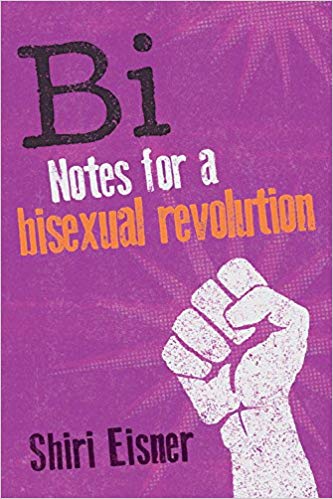
There is a shelf on the third floor of Central Library in downtown Portland. It contains all of the nonfiction books specifically about bring queer: books about raising your gay teenager, coming out in later life, how to support your partner who is transitioning, and about four books on bisexuality. I have never done anything in my life without reading a book about it first, so I picked out the most relevant of those four books, which was Bi: Notes for a Bisexual Revolution.

It turns out that Bi has everything to do with why there are only four books on that shelf. Shiri Eisner has put together a book that discusses the particular political, economic, and social marginalization experienced by bisexual people—distinguished from the experience of gay, lesbian, and straight people (“monosexuals,” in her terminology). Eisner starts by describing how bisexual can be a radically inclusive term for all sorts of people that experience attraction to more than one gender, then goes through the myths, stereotypes, and stigmas attached to bisexual people. Next, Eisner examines how bisexual identity intersects with sexist and racist axes of oppression, then proposes this vision of a radical bisexuality that inherently destabilizes patriarchy and gender based oppression.

Whew!

There is a lot of material in this book, and because of the jargon-bordering-academic language it uses, the tedious and repetitious disclaimers of privilege, and activist-y eye rolls at global capitalism and the police state, I would say that it’s more of a reference than a book to read front to back. I did appreciate the thoroughness of the work, and I have to admit to a certain bias against radical and activist thinking that sometimes provokes me into greater critical thinking and sometimes makes me churlishly dismissive.

Unfortunately, I was also turned off by some methodological loosey-goosey and an inconsistent analytical lens that made it seem like polemic. For example, a lot of Eisner’s evidence for the argument that bisexuals experience worse health economic etc. outcomes is based on a single set of demographic data. That’s certainly not Eisner’s fault—she argues persuasively that bisexuals are an understudied group of people. But in another part of the book, she points out that because this data set is based on self-reported categories, it dramatically under-represents the group within bisexuals that would have the best outcomes due to other kinds of privilege, namely cis bisexual men.

Whatever gripes I might have with the rigor of some of her evidence, I also have to admit that despite coming in with a lot of skepticism, Eisner ended up convincing me that there is a unique stigma attached to bisexual people, and I came to understand why she considered bisexuals and their relationships as a battlefield of patriarchy and queer liberation.

And yet, I did end up walking away a little disappointed. I was still looking for some idea of what the specific bisexual experience of the world is. My gay identity was built not only from crushes and eyes averted and inconvenient erections and hot shame, but also from books and poetry and movies and narratives and testimony and role models. And a lot of that just isn’t out there for bisexual men—or at least I might have to keep working to find it.

Bi: Notes for a Bisexual Revolution | Shiri Eisner

There is a shelf on the third floor of Central Library in downtown Portland. It contains all of the nonfiction books specifically about bring queer: books about raising your gay teenager, coming out in later life, how to support your partner who is transitioning, and about four books on bisexuality. I have never done anything in my life without reading a book about it first, so I picked out the most relevant of those four books, which was Bi: Notes for a Bisexual Revolution.

It turns out that Bi has everything to do with why there are only four books on that shelf. Shiri Eisner has put together a book that discusses the particular political, economic, and social marginalization experienced by bisexual people—distinguished from the experience of gay, lesbian, and straight people (“monosexuals,” in her terminology). Eisner starts by describing how bisexual can be a radically inclusive term for all sorts of people that experience attraction to more than one gender, then goes through the myths, stereotypes, and stigmas attached to bisexual people. Next, Eisner examines how bisexual identity intersects with sexist and racist axes of oppression, then proposes this vision of a radical bisexuality that inherently destabilizes patriarchy and gender based oppression.

Whew!

There is a lot of material in this book, and because of the jargon-bordering-academic language it uses, the tedious and repetitious disclaimers of privilege, and activist-y eye rolls at global capitalism and the police state, I would say that it’s more of a reference than a book to read front to back. I did appreciate the thoroughness of the work, and I have to admit to a certain bias against radical and activist thinking that sometimes provokes me into greater critical thinking and sometimes makes me churlishly dismissive.

Unfortunately, I was also turned off by some methodological loosey-goosey and an inconsistent analytical lens that made it seem like polemic. For example, a lot of Eisner’s evidence for the argument that bisexuals experience worse health economic etc. outcomes is based on a single set of demographic data. That’s certainly not Eisner’s fault—she argues persuasively that bisexuals are an understudied group of people. But in another part of the book, she points out that because this data set is based on self-reported categories, it dramatically under-represents the group within bisexuals that would have the best outcomes due to other kinds of privilege, namely cis bisexual men.

Whatever gripes I might have with the rigor of some of her evidence, I also have to admit that despite coming in with a lot of skepticism, Eisner ended up convincing me that there is a unique stigma attached to bisexual people, and I came to understand why she considered bisexuals and their relationships as a battlefield of patriarchy and queer liberation.

And yet, I did end up walking away a little disappointed. I was still looking for some idea of what the specific bisexual experience of the world is. My gay identity was built not only from crushes and eyes averted and inconvenient erections and hot shame, but also from books and poetry and movies and narratives and testimony and role models. And a lot of that just isn’t out there for bisexual men—or at least I might have to keep working to find it.

Old Man Writes About Sex!

I’m a big fan of Roger Ebert, both in his writing style and (most of the time) his opinions. His blog, which started about a year ago as post-stomach surgery therapy, is interesting and features very close interactions between Ebert and his peanut gallery.

Anyway, there’s an entertaining post up right now about Ebert’s fondness for making out and groping. If that doesn’t gross you out right away, it’s funny (don’t forget to check out the comments section where Ebert is trying to set up his lonely commenters together).