
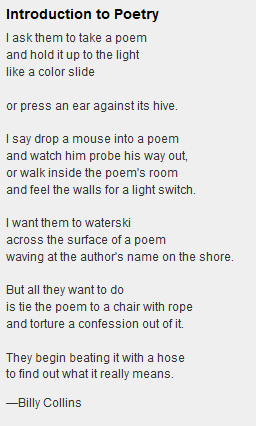
I never get tired of the highbrow/lowbrow debate. There’s a long article in the Chronicle of Higher Education on (according to the writer, Michael Clune) a reluctance for humanities scholars to engage in critical evaluation (as opposed to interpretation).
This eschewal of hierarchy appears eminently progressive. Who am I to say that one book is better than another? Why should I tell you what you should read? Everyone’s taste is equal. No one’s judgment is any better or worse than anyone else’s. […] The abdication of professional judgment throws all questions of value into the marketplace. The free market is where consumers, whose preferences are all accorded equal status, exercise their cultural choices.
Is making a hierarchical ranking the same thing as making an aesthetic judgement? Clune performs this little misdirection throughout the essay. Ranking things in lists seems like an insane way to engage with any art form to me. Art criticism must start with what’s on the page or on the canvas, but it’s no longer tenable to ignore the other axes of power and cultural capital that lead to one thing being considered a masterpiece and another forgotten. Clune tries to head off this argument: “Criticizing the limits of equality doesn’t mean ignoring the pathologies of expertise. Many expert judgments of the past bear the ugly marks of racism and sexism. Probably many of our own judgments will seem similarly distorted in the future.” Clune seems unwilling to entertain the idea that the cultural hierarchy he’s defending is simply a mirror of social hierarchy.
The deadliest trap in art is the circular logic trap that comes about when “Is this the best?” leads to “To whom?” which is then answered by “Us!” The exclusivity of the connoisseur becomes evidence the greatness of the work, and the greatness of the work becomes evidence of the enlightened nature of the connoisseur. This is something I am very passionate about: I think that the whole world of art and literature and culture opens up when you get away from that question.
I do think Clune is coming from a good place, he writes sentimentally about a vivid reading experience he had as a teenager, exploring the Japanese poet Bashō. This is a great example of the questions that go unexplored when you’re just looking at hierarchy: why is Bashō a part of your poetry canon, when he would not have been if you were reading poetry at Oxford 100 years ago? How does a poem move in and out of “greatness?”
 hammer & jack